
Infantino's advisor Carlos Cordero explained the reasons for the World Cup planning.
Carlos Cordeiro, an adviser to FIFA president Gianni Infantino, resigned over plans to sell World Cup shares. He said the proposal was a bad deal for football and its future.
Infantino's advisor Carlos Cordero due to World Cup planning
Vi According to.
Background
Carlos Cordero, who has been a close adviser to FIFA president Gianni Infantino, has raised serious questions over FIFA's World Cup planning through his resignation. His experience and previous roles, such as president of the American Football Association, make him an important voice on this issue.
Why it matters
Carlos Cordeiro's resignation highlights the growing controversy within FIFA, especially when it comes to the financial aspects of World Cup planning. Under the leadership of Gianni Infantino, FIFA requires greater transparency and accountability for its financial decisions. Cordero's opposition is an indication that there are serious concerns about this proposal in the football community.
Key points
- Infantino's advisor Carlos Cordero due to World Cup planning.
- Carlos Cordeiro, advisor to FIFA president Gianni Infantino, resigned over plans to sell World Cup shares. He said the proposal is a bad deal for football and its future.
- Topadviser van Infantino stepped down because of the controversial WK-plan.
Carlos Cordeiro, senior adviser to FIFA president Gianni Infantino, recently resigned in protest over a controversial plan that involves selling off a share of the World Cup. In his public statement, Cordeiro made it clear that he does not support the plan and considers it a bad deal for football.
Cordeiro said, "I want to clarify that I was not involved in this proposal and I am categorically opposed to it. It is a bad deal for FIFA associations, a bad deal for football and a bad deal for the future of the game in the long term."
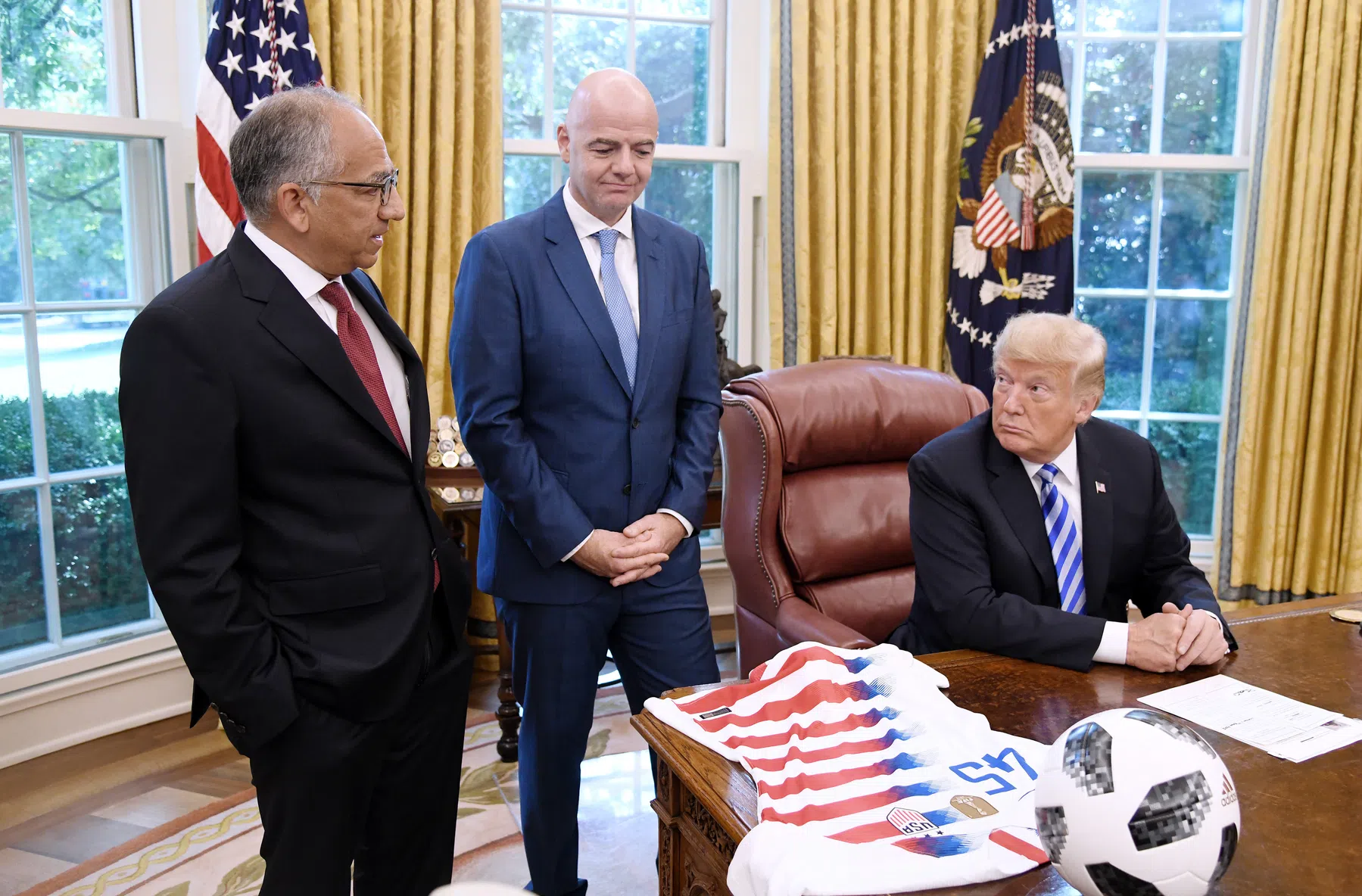
Cordeiro, a well-known sports manager and former banker, is a prominent face in the world of football. He has previously served as president of the American Soccer Association and was also an advisor to the White House task force during the recent World Cup.
He added, "Football has been a central part of my life and after 35 years of banking experience, I understand the value of this asset and the consequences of selling a part of it. Therefore, this offer must be rejected."
Cordeiro says FIFA already has vast financial resources, including billions of dollars in savings, and has no debts. He said, "It does not make sense to sell a permanent part of one of world football's most valuable assets. It is like mortgaging the future of football without any clear justification."
Cordero raises several important questions, such as why is this plan needed, why now? Who will be responsible for this? Who will this deal benefit and what will it cost football? The answer to these questions is not yet clear.
Announcing his resignation, he said, "Resignation is my only option. After serious consideration, I have decided that I am not able to continue in my role. I have resigned with immediate effect."
What will happen next
Now, FIFA needs to reconsider this controversial plan, to safeguard the future of football. Gianni Infantino and his advisers will have to answer the questions raised by Cordero. Furthermore, it will be interesting to see whether other prominent figures will support Cordeiro's stance on this issue.
Frequently Asked Questions
Why did Carlos Cordeiro resign?
Carlos Cordero resigned in protest over the World Cup plan, which included a proposal to sell off part of the World Cup.
Who confirmed the resignation of Carlos Cordeiro?
Carlos Cordeiro himself announced his resignation.
Why did this controversial plan come out now?
Cardero raised questions as to why this plan is needed and why now has been chosen as the time to implement it.
Has any other voice been raised against this scheme?
Cardeiro clearly did not support the plan and called it a bad deal for football.
What changes will this resignation bring to FIFA?
Cardero's resignation has raised questions about FIFA's World Cup plans, but its consequences are not yet clear.
Related Articles
- World Cup 2026 coverage
- World Cup 2026 coverage
- World Cup 2026 coverage
- World Cup 2026 coverage
- World Cup 2026 coverage
Related Articles
Related Articles
Related Articles
Related Articles
Related Articles
Related Articles
▶ संबंधित वीडियो
FAQ
- कार्लोस कर्दीरो ने इस्तीफा क्यों दिया?
- कार्लोस कर्दीरो ने विश्व कप योजना के विरोध में इस्तीफा दिया, जिसमें विश्व कप के हिस्से को बेचने का प्रस्ताव शामिल था।
- किसने कार्लोस कर्दीरो के इस्तीफे की पुष्टि की?
- कार्लोस कर्दीरो ने स्वयं अपने इस्तीफे की घोषणा की।
- यह विवादास्पद योजना अब क्यों सामने आई?
- कर्दीरो ने सवाल उठाया कि इस योजना की आवश्यकता क्यों है और अब इसे लागू करने का समय क्यों चुना गया है।
- क्या इस योजना के खिलाफ कोई और आवाज उठाई गई है?
- कर्दीरो ने स्पष्ट रूप से इस योजना का समर्थन नहीं किया और इसे फुटबॉल के लिए एक बुरा सौदा बताया।
- इस इस्तीफे से FIFA में क्या बदलाव आएंगे?
- कर्दीरो के इस्तीफे से FIFA की विश्व कप योजना पर सवाल उठाए गए हैं, लेकिन इसके परिणामों का अभी तक स्पष्ट नहीं है।
- What happened in this story?
- इनफेंटिनो के सलाहकार कार्लोस कर्दीरो ने विश्व कप योजना के कारण summarizes the main development covered in this report.
- Who confirmed this news?
- See the source attribution in the article for where this report was first published or corroborated.